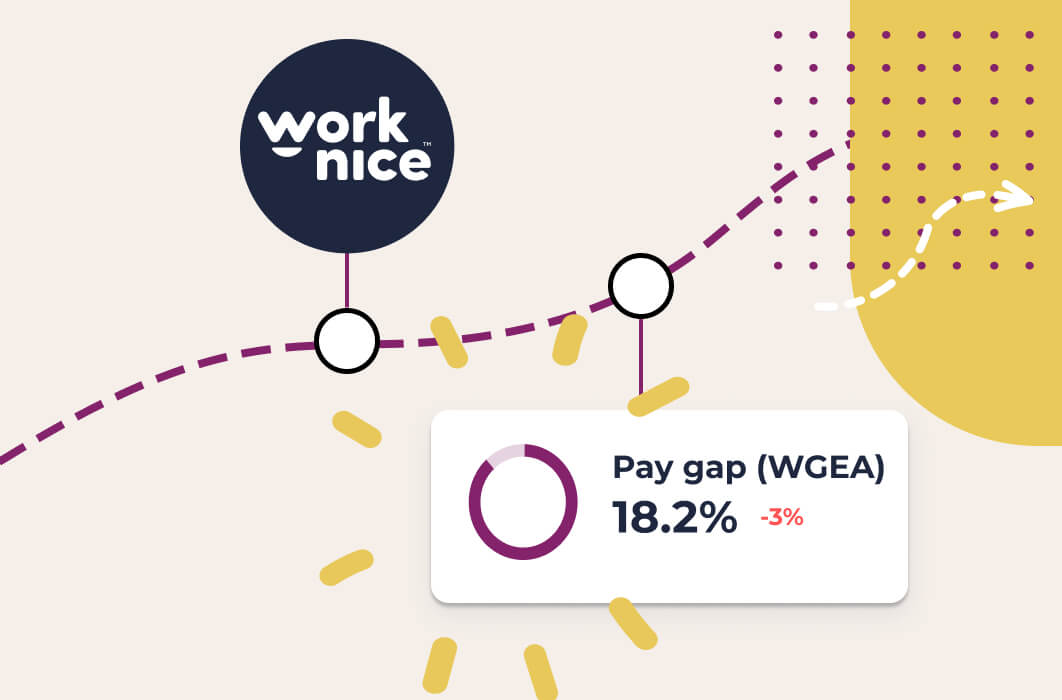
Worknice redefines the HR tech industry with Next-Gen HRIS Worknice redefines the HR tech industry with Next-Gen HRIS
HRIS is one of the largest and most important software categories in the world—a $60+ billion market that touches nearly every business. Yet for decades, companies have faced an impossible either/or choice of HRIS approach: broad but complex All-in-One HR suites, or specialised HR Point Solution tools that that are difficult to scale. We’ve been […]
3 mins read | HR Insights



-
 Guides
Questions to Ask HR Software Vendors About AI, and What Good Answers Sound Like
TL;DR: Ask every HR software vendor where its AI processes your data, whether personal information reaches the model, and whether your data trains it. Then ask who can see AI output, whether you can switch AI off, what needs human approval, and which standards it is certified to. Get the answers in writing, because your […]
30/09/2026
Read more -
Guides
Best AI HR Software in Australia (2026): 6 Platforms Compared
TL;DR: For mid-sized Australian organisations keeping their existing payroll, Worknice pairs AI on your own HR records with direct Australian payroll integrations. HiBob has the broadest AI agents, while ELMO leads on AI certification. Employment Hero suits small businesses wanting AI across HR and payroll. workit and Happy HR suit smaller teams wanting AI at […]
30/09/2026
Read more -
Guides
HRIS Implementation: A Practical Guide for Australian HR Teams (2026)
An HRIS implementation moves your people data, documents and HR processes into a new system. It runs in six phases: scope, setup, data migration, payroll integration, adoption, and launch. Payroll stays the source of truth for pay, tax and super. The timeline depends mostly on your data and your team’s availability, so clean data early […]
23/09/2026
Read more -
Guides
HR Software Evaluation Checklist: How to Assess Your Shortlist in Australia (2026)
TL;DR: An HR software evaluation checklist turns a vendor shortlist into a decision. Work through it in five stages: your own requirements, payroll integration, Australian compliance, data migration and implementation, then demos and reference calls. Score every vendor against the same questions, ask for answers in writing, and treat anything a vendor offers to build […]
23/09/2026
Read more -
Guides
What Does an HRIS Cost in Australia? The Full Picture for 2026
Core HR software in Australia commonly costs $7 to $20 per employee per month, according to workit’s 2026 pricing guide. That subscription is only one line of the budget. Implementation, data migration, payroll integration, training, and internal time make up the rest, so compare vendors on a three-year total cost of ownership. Key takeaways How […]
23/09/2026
Read more -
Guides
Worknice vs Martian Logic: Which HRIS Is Best for Your School in 2026?
Worknice and Martian Logic are both Australian HRIS platforms sold into schools, but the decision between them is really whether you are adding an HR layer or replacing your stack. Worknice sits above the payroll and school management system you already run. Martian Logic replaces three to six products with one platform. Most schools only […]
23/09/2026
Read more -
Guides
HiBob vs Employment Hero: Which One Fits an Australian Mid-Market Company?
HiBob and Employment Hero are both HR platforms sold into Australia, but they sit at opposite ends of the market, so the question is which end you are at. Employment Hero averages roughly 6 to 7 users per business, which makes it a small-business platform. HiBob averages around 246 people per company and runs no […]
23/09/2026
Read more -
 Guides
Rippling vs Employment Hero: Which One Fits an Australian Business in 2026?
Both Rippling and Employment Hero position themselves as all-in-one HR platforms that expect you to use their payroll, so the differences lie in breadth of features, geographic reach, and the size of company each suits. Rippling is American and spans 41 countries. Employment Hero is Australian and, on its own published numbers, a small-business platform. […]
23/09/2026
Read more -
Guides
What Is Employee Onboarding Software and Do Mid-Sized Companies Need It?
Employee onboarding software automates the new-hire journey, from the signed contract and pre-boarding through to day-one tasks, IT setup, and payroll sync. Because only 12% of employees say their employer onboards them well, and because weak onboarding drives early turnover, the software matters most once you hire regularly. For a mid-sized company, it turns a […]
15/07/2026
Read more -
Guides
What Is Digital Onboarding and Why Does It Matter for Mid-Size Companies?
Digital onboarding replaces paper forms, printed contracts, and email chains with a paperless, online flow that new hires complete from any device. For mid-size companies hiring across teams, sites, and remote locations, it makes onboarding fast, consistent, and trackable. Because much of the workforce now starts remotely or in the field, digital onboarding is the […]
15/07/2026
Read more -
Guides
What Should Onboarding Software Do for Australian Employers?
Onboarding software for Australian employers should handle the local requirements every new hire triggers: the Fair Work Information Statement, tax file number and super details, right-to-work checks, and a clean sync to Australian payroll like Xero, MYOB, MicrOpay, or KeyPay. Because these obligations are specific to Australia, locally built onboarding software handles them as standard […]
15/07/2026
Read more -
Guides
What Is Gender Equality Reporting Software and What Does It Cover?
Gender equality reporting software helps Australian employers report against the six gender equality indicators that WGEA tracks, not just the pay gap. That includes workforce composition, governing body composition, and policies on flexible work, harassment, and discrimination. Because larger employers must now hold strategies for each indicator, the software manages both the data and the […]
15/07/2026
Read more